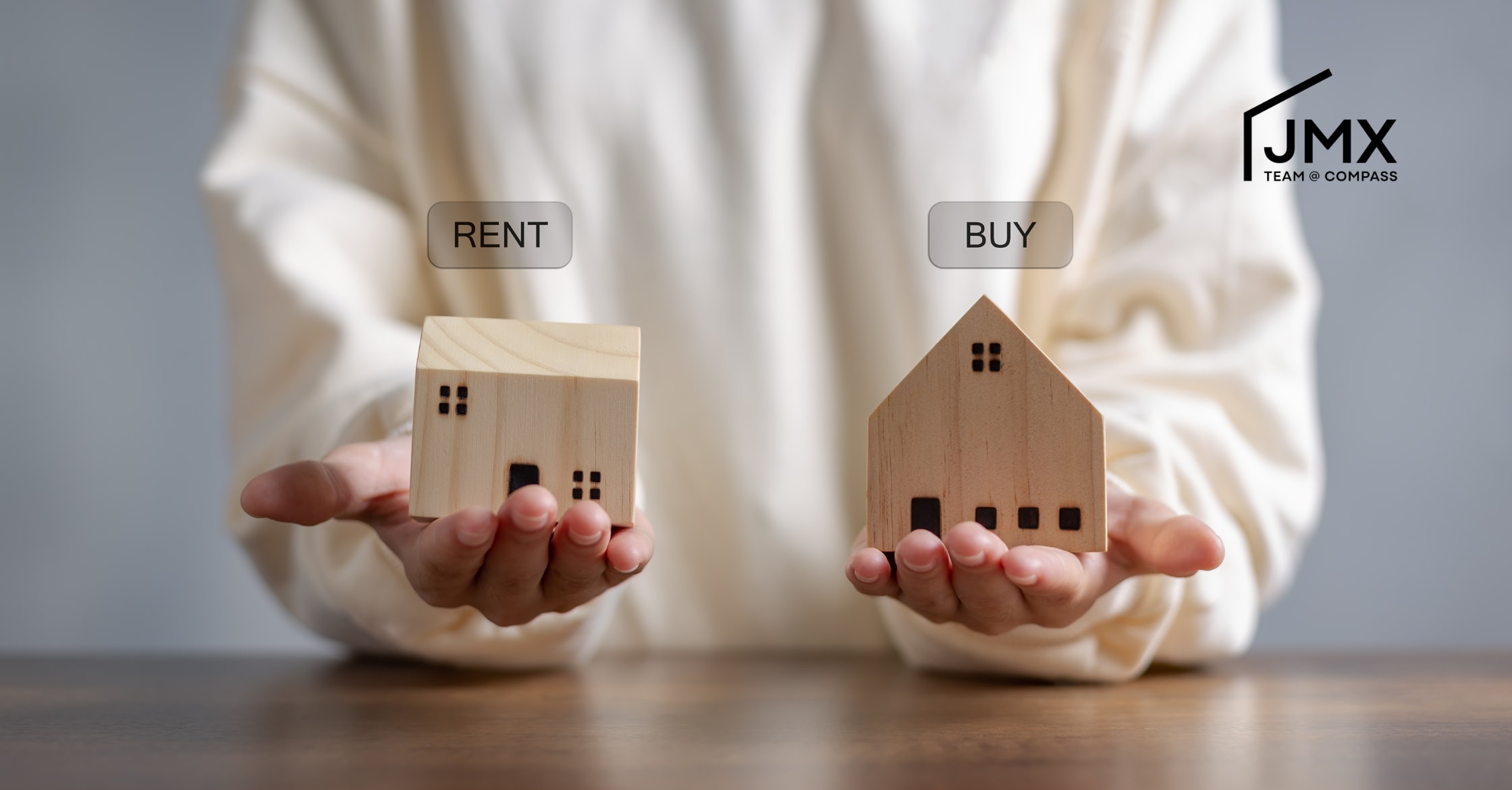

The age-old question is back in the spotlight: should you rent or buy a home?
With today’s shifting economy, rising interest rates, and evolving housing trends, more people are rethinking what “home” means and how to approach it financially.
The truth is, there’s no one-size-fits-all answer. But there are clear guidelines that can help you decide which path makes the most sense for your life, your goals, and your finances.
Let’s break it down.
The Red Flags: When Not to Buy a Home
Before jumping into homeownership, it’s critical to spot the potential red flags. A home is a wonderful investment, but only when the timing and circumstances are right. Here are a few signs that buying might not be the best move for you at this moment:
1. You Don’t Have a Financial Cushion
The list price is just the beginning. Homeownership comes with predictable costs (like property taxes and insurance) and unpredictable ones (like a leaky roof or broken water heater).
Without a healthy savings reserve, those surprises can turn into serious stress.
2. Your Future is Uncertain
If there’s a good chance you’ll need to relocate in the next few years (for a job, school, or family), buying can put you at the mercy of the housing market. Selling a home too soon can often lead to a financial loss after factoring in closing costs. If you’re not prepared to become a landlord, renting provides the flexibility you need to adapt as life changes.
3. You Feel Pressured by the Crowd
Buying a home just because your friends are doing it or because you feel like it's the "next step" is a recipe for regret. A home is one of the biggest financial commitments you'll ever make, and the decision should be driven by your personal readiness, not social trends.
The Green Flags: When Buying Makes Sense
Buying a home is the right move when your personal and financial foundations are solid. It generally boils down to two key conditions:
1. You Can Comfortably Afford It
This means you can handle the monthly mortgage payment, taxes, and insurance without stretching your budget thin, based on today's rates.
The "date the rate, marry the house" advice was popular when rates were expected to fall quickly. But many who banked on a future refinance are now facing higher-than-expected payments.
A smart purchase is one you can afford now and for the foreseeable future.
2. You Plan to Stay Put
Homeownership is a long-term strategy. While every situation is unique, planning to stay in the home for at least five to seven years is a good rule of thumb. This gives you time to build equity and ride out market fluctuations, so you aren't forced to sell at an inopportune time.
The Smart Case for Renting
Let's be clear: renting is not "throwing money away."
In many situations, it’s the most strategic financial decision you can make. Renting makes perfect sense when you value:
Flexibility and Freedom
If you're new to an area, expect a life change, or simply enjoy the ability to move easily, renting is your go-to. It allows you to explore different neighborhoods or cities without being tied down, and protects you from market swings and selling costs.
Avoiding Ownership Headaches
Maintenance, repairs, and unexpected costs come with the territory when you own a home. If you’re not ready for that responsibility, renting offers a predictable, low-maintenance lifestyle.
The Landlord Option: Why You Might Rent Out a Home Instead of Selling
What if you already own a home but need to move? Selling isn't your only option.
Turning your primary residence into a powerful financial asset by renting it out can be a fantastic strategy, provided you're prepared for the responsibilities that come with being a landlord. It's a strategic choice if:
You Want to Return Someday
Renting out your home allows you to keep a foothold in a neighborhood you love.
You're Open to Building Wealth
Over time, your fixed mortgage payment stays the same while rents and property values typically rise. This can create an income stream and build your net worth.
You Can Leverage Tax Benefits
From deducting annual depreciation to the "stepped-up basis" that can benefit your heirs, there are ways renting your home can work in your financial favor. (As always, consult with your CPA to understand how these apply to you!)
Your Home Should Fit Your Life
The decision to rent or buy isn’t about market timing. It’s about your timing.
If you can afford the payments without betting on future rate drops and you’re ready to plant roots for years to come, buying can be a smart, long-term move.
If you value flexibility, want to keep your financial risk low, or aren’t certain where life will take you next, renting may be the better fit for now.
Your home should fit your life, not the other way around.
Ready to explore your options? Whether you’re thinking of buying, renting, or becoming a landlord, let’s talk about the right move for you.